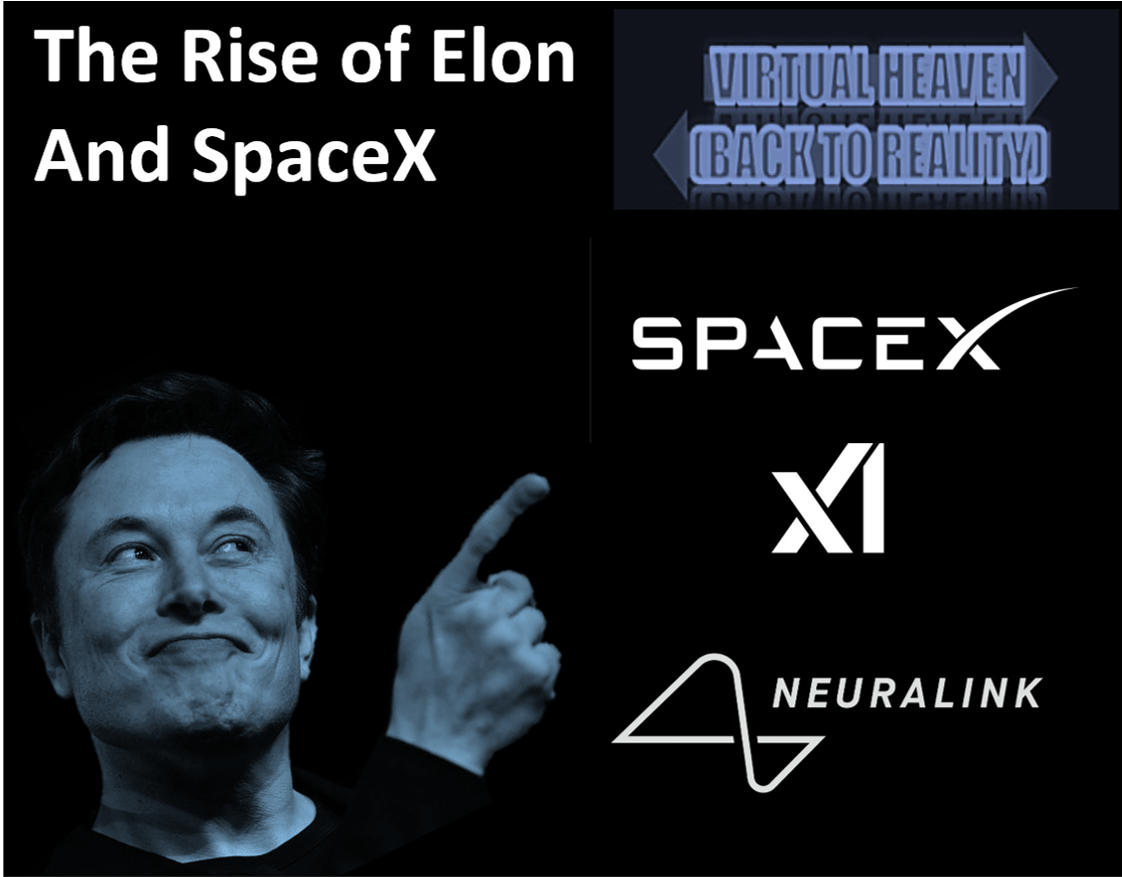
With the recent IPO of SpaceX (Jun 12th 2026), entrepreneur and visionary Elon Musk has been crowned as the world’s first trillionaire.
However, it’s important to understand that this milestone, while no doubt major, seems to be rather trivial in comparison to the projected roadmap and outcomes if all of Elon’s ambitions come to pass.
In this article, we look at what the world will look like if Elon’s vision is achieved and the potential impact on entrepreneurs and humanity.
Here goes…
Elon’s Companies and Major Milestones
In order to appreciate the sheer depth of Elon’s work and future vision, we need to put aside the headline-grabbing trillion-dollar valuation for a while and look at some of the key milestones during Elon Musk’s rise.
1995 – 1999 Zip2
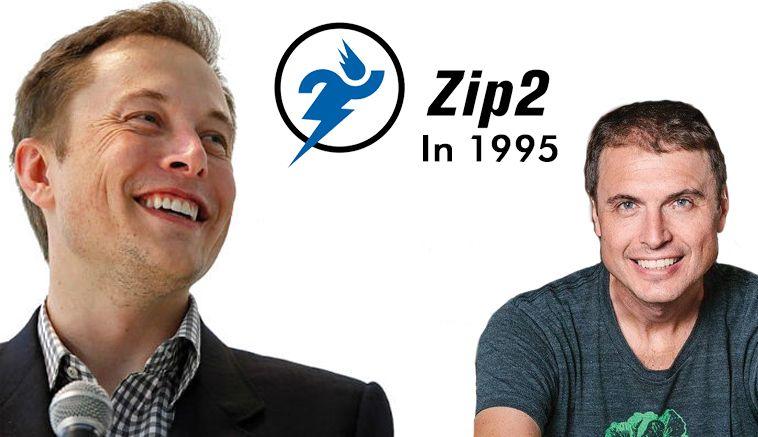
In 1995, Elon founded the company Zip2 with his brother Kimbal Musk. The company consisted of online city guides for newspapers and helped transition newspapers into the internet era we now take for granted.
The company was sold to Compaq, and Musk received around $22 million for future ventures.
1999 – 2002 X.com and PayPal
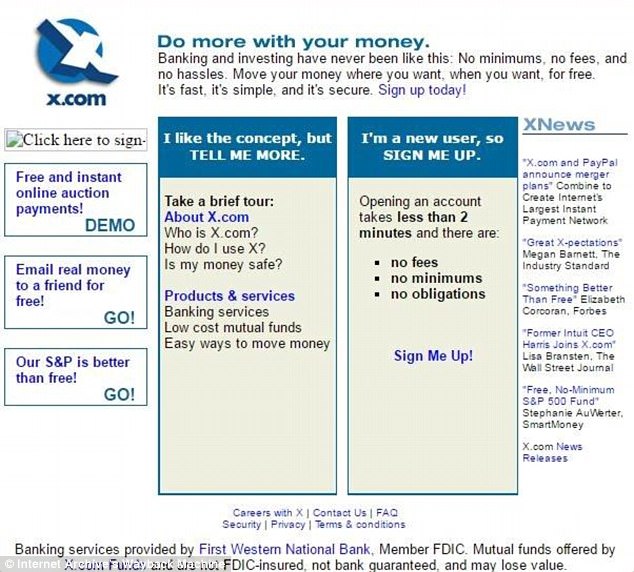
In 1999, Elon created X.com, one of the world’s first online banks. The concept evolved into PayPal after first merging with Confinity, a payments and cryptography company owned by Peter Thiel.
PayPal was eventually acquired by eBay for $1.5 billion.
Musk received in excess of $165 million after taxes.
2002 – Present SpaceX
In 2002, Elon launched SpaceX. Its mission is to reduce launch costs and make humans multiplanetary.
In 2001, the first Falcon 1 launch was achieved. Falcon 1 became the first privately created rocket to achieve Earth orbit in 2008 and won a NASA Commercial Orbital Transportation Services contract.
In 2023, after many successful Starship test flights, became the largest reusable rocket ever built.
2004 – Present Tesla
Elon joined Tesla as an investor and chairman and, in 2008, became CEO.
The company is well known for introducing practical EVs (Electric Vehicles) to the market.
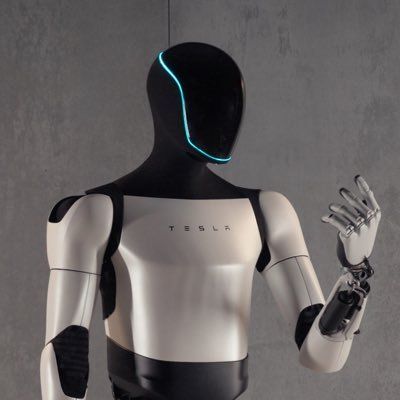
However, the company has introduced many new technologies, including large-scale battery manufacturing, full self-driving software, solar products, AI supercomputing and Optimus Humanoid Robot Technology.
2006 – Present SolarCity
SolarCity became the largest residential solar installer in the U.S., helping to popularise rooftop solar. It was acquired by Tesla in 2016 and became Tesla Energy.
2015 – Present Starlink
Starlink was conceived by Musk to create a global satellite constellation with the ability to deliver global broadband access at a cheaper cost.
In 2016, SpaceX applied to launch 4425 low Earth orbit satellites (LEO) into space.
In 2026, Starlink operates over 10,000 satellites in LEO, with plans to expand to nearly 12,000 and potentially up to 34,400.
2016 – Present Neuralink
The mission for Neuralink is to develop an implantable brain-computer interface.
The first patients are already controlling computers using thought alone. Progress is being made in restoring mobility and communication for patients who have serious disability.
2016 – Present The Boring Company
The Mission of this company is to create reduce cost tunnel boring and the expansion of underground transportation systems. Including the “Vegas Loop” Transportation system.
2022 – Present X Corp
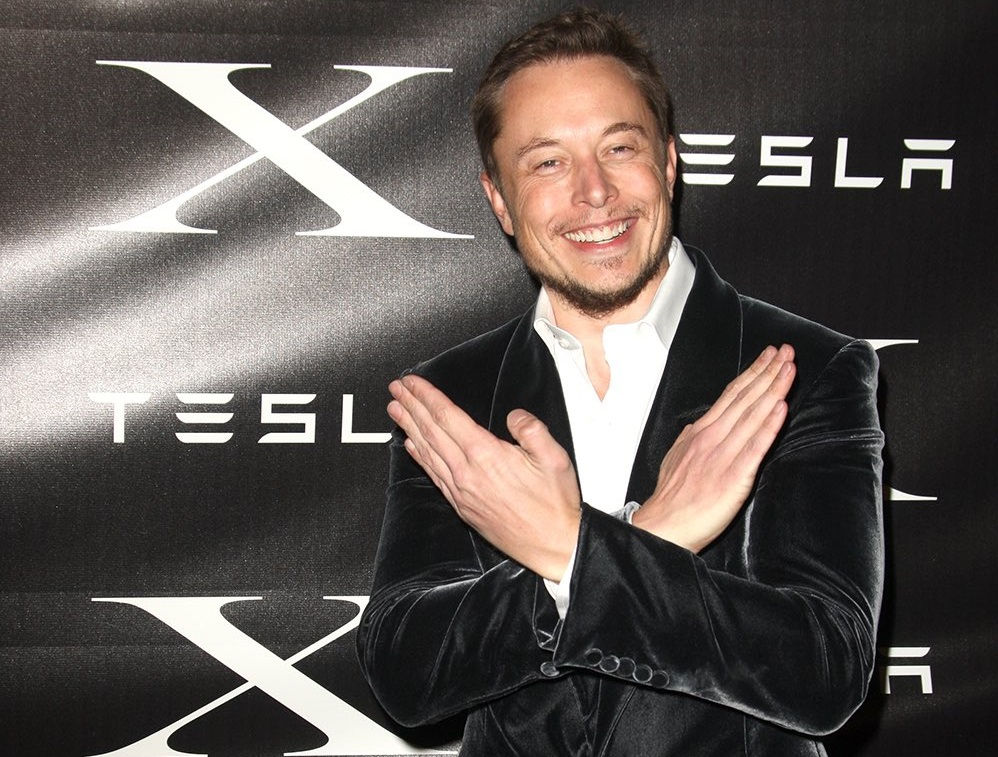
X Corp acquired Twitter, a social media platform in 2022, and rebranded to “X”.
The acquisition led to creator monetisation, AI integration, video serves and payment initiatives.
2023 – Present xAI
xAI was founded to develop advanced AI systems. xAI has released the GROK AI model and in 2026, xAI was integrated into SpaceX as part of corporate restructuring.
Milestones Commentary
As can be seen from the extensive list of companies, Elon Musk has a large number of companies that offer interconnected technologies to each other.
Any entrepreneur would be proud to have grown just one of these companies, but to have launched in excess of 10 companies, all of which are ground breaking, is truly remarkable.
Furthermore, it’s clear that there is an overarching vision to this list. They are not the scattered meanderings of someone with no focus.
Entrepreneurs are often told to focus on one thing and do it well. Elon Musk has thrown that rule book out of the window and has focused on multiple things, and has done all of them very well.
It’s interesting to note that if you wanted to make humans a multiplanetary species, all of these companies would be absolutely necessary to create the infrastructure necessary to achieve such a seemingly impossible goal.
Of course, rockets and reusable propulsion would be needed, but also, solar panels, battery technology, underground boring technology for new habitats, robot technology for assistance, AI systems for navigation and driving, social media and Starlink constellations for communications, global multiplanetary payment systems and even brain interfaces for hands-free remote control of the tech.
The Staggering Scale

The scale of the vision is staggering. Here are some figures to put it all into perspective:
Tesla vehicles – 20–30+ million annual production (aspirational).
Starlink – 40,000–60,000+ satellites over time (subject to regulatory approvals).
TeslaBot – Millions of robots per year over the long term (an aspirational goal rather than a committed production forecast). Elon Musk has stated that he aims to have more robots than people on the planet by 2040.
RoboTaxi – Autonomous self-driving taxis. Millions of rides per day.
AI Data Centres – Thousands to tens of thousands of AI satellites (if successful).
Rocket launches – 500–1,000+ yearly by 2035.
Mars Habitation – Hundreds of settlers, 2035+. Thousands to potentially millions of inhabitants over many decades, according to Musk’s long-term vision, 2040+.
Neuralink – 2035+ 1-5 million users for neurological disorders. 2040+ (Consumer cognitive enhancement, if accepted by regulators and society). Potentially tens of millions of users (speculative).
A World Potentially Transformed
The vision of Elon Musk offers up tantalising possibilities. Even if, for example, only 80% of the vision can be turned into reality, the future would be radically different to the present day in as little as 15-25 years.
These individual companies would function as an interconnected ecosystem across transportation, artificial intelligence, robots, communications, finance, health and space exploration.
Worldwide cheap broadband via Starlink would give high-speed internet access globally to virtually every person in the world, all connected via global social media and messaging.
Humanoid robots and AI would radically transform work, taking on repetitive and time-consuming tasks.
This shift could, in theory, allow people to focus on more creative and entrepreneurial work.
Neuralink could transform healthcare by offering solutions to disabilities, potentially curing blindness and brain disorders.
Given regulatory approval, the possibility of increased brain function and technological ‘telepathy’ becomes a possibility.
Space would become the new frontier, with human presence on the Moon and Mars. The new territories would become a further extension of Earth’s economy.
What Entrepreneurs Should Know
The new reality could offer up many opportunities for entrepreneurs.
AI could give small businesses the skills and resources to operate on a global scale with minimal funding and employees.
Low-cost robots could reduce the cost of production for niche items.
RoboTaxis could offer up additional revenue streams for side-hustles or complete businesses based on self-driving taxis and automated transportation systems.
It’s entirely possible that, given the success of the vision, the world sees its first single-person company reach a billion-dollar valuation.
The current record goes to telehealth company Medvi, which has only two employees, the founder Matthew Gallagher and his brother Elliot.
In this new version of reality, imagination rather than labour will be the new currency.
If realised, the vision could bring in a much more energy-efficient and cleaner environment for the future.
Challenges

Despite the many benefits, it would not be balanced to offer up such glowing possibilities without some downsides to the vision.
Of course, we are all certainly aware by now that AI offers a significant threat to many existing job roles, and robotics further exacerbates the issue by including manual tasks in human job reductions.
Human brain interfaces raise issues with privacy. Who will own the data, and what if the data is hacked?
Will brain information, particularly your private thoughts and ideas, be up for grabs by hackers or large corporations?
The vision of such an all-encompassing ecosystem, while bringing many benefits, does raise the question of competition and potential monopoly issues in the marketplace.
The further exploration and commoditisation of Earth’s orbit and space may require significant international cooperation.
Read this article on Insider groups, cabals and monopolies.
Final Thoughts
The recent SpaceX IPO is not just about the trillion-dollar valuation. We also need to look at the bigger picture and how Elon Musk’s companies create an ecosystem of interconnected technologies that could transform how we all live in the next 15-20 years.
That may seem a long way off, but we are already seeing the effects of AI in the real world right now, so if the vision becomes a reality, significant change could be witnessed much sooner.
While there are many benefits to the vision, such as lower manufacturing costs, worldwide broadband and even health benefits via brain implants, there are some challenges.
The main challenge is with the displacement of human employment, which raises the issue of what to do with vast numbers of people who have no traditional roles to fill.
It is assumed that new roles will be created alongside the technology and that humans will be freed to follow creative activities and entrepreneurial endeavours.
It’s likely there may be multiple single-person billion-dollar companies in the new paradigm.
In the new vision, human originality, ideas and imagination, not manual labour, attention or information will be the new currency.
Are you ready?
Good luck!
Virtual Heaven (Back To Reality) 2017 – (Graham Jules)
Watch The Trailer on Pop Up World TV

Read about the full ‘Alien Agenda’ in an exciting Sci-Fi – Illustrated Screenplay Format Book – Limited edition copies available on Amazon. Virtual Heaven (Back to Reality) – by Graham Jules.
Read about the full ‘Alien Agenda’ in an exciting Sci-Fi – Illustrated Screenplay Format Book – Limited edition copies available on Amazon. Virtual Heaven (Back to Reality) – by Graham Jules.
***Disclaimer: This article is not financial advice and is given for informational and entertainment purposes only. Readers should conduct their own research and not invest more than they can afford to lose. Crypto is extremely volatile, and as such can drop in value considerably without notice. Pop Up World has a global presence and is not specifically targeting any jurisdiction with its content. Any crypto references are not intended for UK businesses or consumers. You should always seek legal advice to understand if the use or investment in crypto is allowed in your jurisdiction.
Pop Up World YouTube Reviews:
Review. Malik Atif – Hindi -Urdu
Review. Inside Crypto – Hindi – Urdu
Review. Convincing Crypto – English
The Pop Up World Token is designed specifically for entrepreneurs, to store value and to utilise on our platform Pop Up World. Join the revolution in financial freedom today.
The Pop Up World Token is designed specifically for entrepreneurs, to store value and to utilise on our platform Pop Up World. Join the revolution in financial freedom today.
Get the token on Cardano Decentralised Exchanges (DeXs), MuesliSwap, SundeSwap, Wingriders and Minswap. Or click the link here:
Pop Up World token has a growing ecosystem
Want to learn how to stake on Cardano? Read this article:
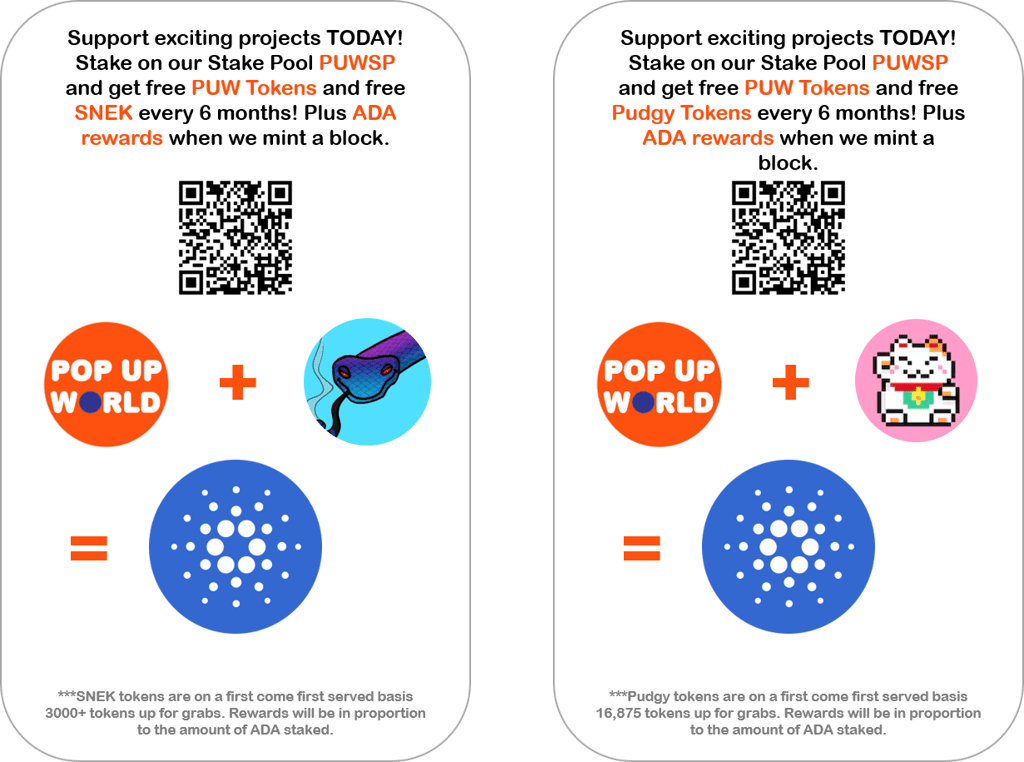
It starts with an idea. Pop Up World is a platform that helps start-ups and small businesses reach for the stars. No matter what size you are. Use our start-up guide Business Zero to Superhero, Design your Logo. Connect with investors via our Investor Connector. You can start a Website and Domain name. You can Search for and promote your Premises. You can promote your idea for free on our Pop Up World Ads site, you can even form a Limited Company You can also join us on our journey via the Pop Up World Token (PUW).


One thought on “Who Wants To Be A Trillionaire? -The Rise of Elon Musk and SpaceX – What Entrepreneurs Should Know”