
The extinction of species is usually seen as a negative thing, especially if that extinction is primarily caused by human activity.
But with technological breakthroughs in gene editing, it may be possible to bring back long-lost species and reintegrate them into the environment.
Using the revolutionary Clustered Interspaced Short Palindromic Repeats or CRISPR-Cas9 gene-editing, scientists are now exploring the once-unthinkable: de-extinction.
In this article, we look at the promises and the potential perils of such technology.
Here goes…
How It Works

The procedure lies in genomic technology. This technology utilises the fact that every organism carries a blueprint of its makeup via DNA contained within cells.
As such, small pieces of DNA can be extracted from long-extinct animals via frozen bones or tissue.
Frozen carcasses of the extinct woolly mammoth have been found buried in the Siberian permafrost.
The process of de-extinction typically involves several steps:
- DNA sequencing – Scientists first reconstruct the genome of the extinct species by piecing together recovered fragments.
- Comparative analysis – They compare this genome to that of a living relative (for example, the Asian elephant for the mammoth).
- Gene editing – Using CRISPR, specific genes from the extinct species are inserted into the DNA of the living relative, effectively creating a hybrid with traits of the lost animal.
- Cellular development – Edited cells can be used to create embryos, which may then be implanted into surrogate mothers or grown in artificial wombs.
The procedure does not exactly bring back the extinct species, since the process does need to utilise a genetic relative. However, the created organism closely resembles the extinct species genetically and physiologically.
High-Profile Start-Up Projects
There are several de-extinction start-up projects already underway.
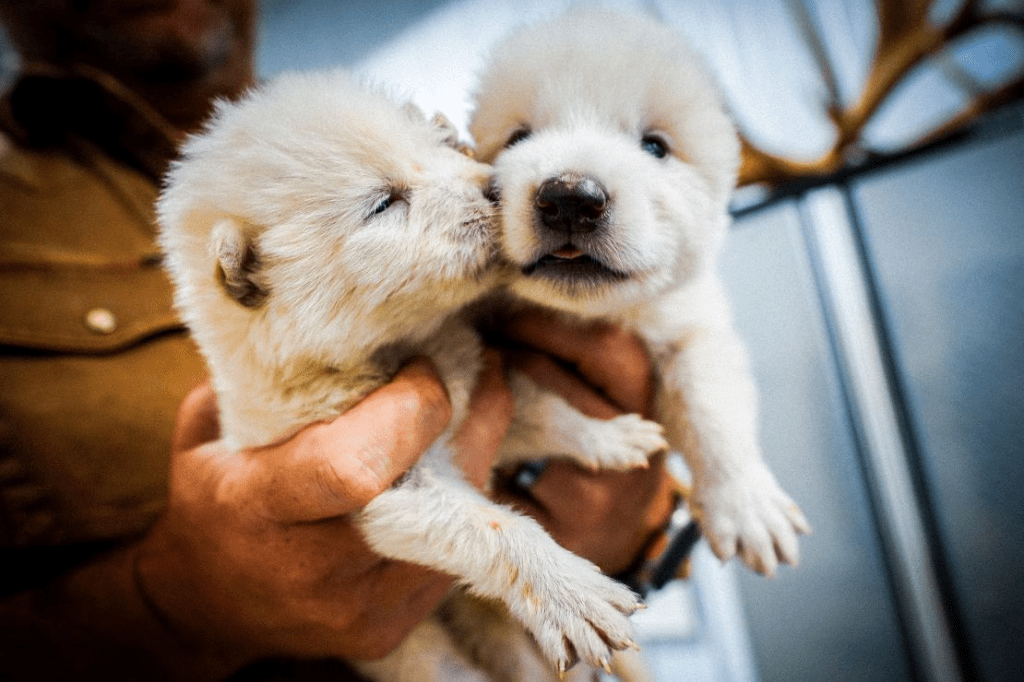
- Woolly Mammoth: Ben Lamm, founder of Colossal Biosciences, is looking to revive the woolly mammoth. Colossal Biosciences has already brought back an extinct species this year (2025), the dire wolf. In April 2025, Colossal announced the creation of three wolves created using extinct DNA from fossils and editing into the genetic code of a grey wolf.
- Passenger Pigeon: A company called Revive & Restore, a non-profit dedicated to conservation through biotechnology, is attempting to bring back the passenger pigeon, once one of the most abundant birds in North America. The company aims to provide “The Genetic Rescue of Endangered and Extinct Species”.
- Thylacine (Tasmanian Tiger): Collasal Biosciences have teamed up with Andrew Pask, who leads the Thylacine Integrated Genetic Restoration Research (TIGRR) lab at Melbourne University. Efforts in Australia are focused on reviving the thylacine, a marsupial predator declared extinct in the 20th century, using preserved DNA samples and living relatives like the numbat.
Although some of these projects are still early-stage, the announcement of the successful dire wolf de-extinction brings the reality of the technology out of the realms of science fiction and firmly into reality.
Benefits & Risks
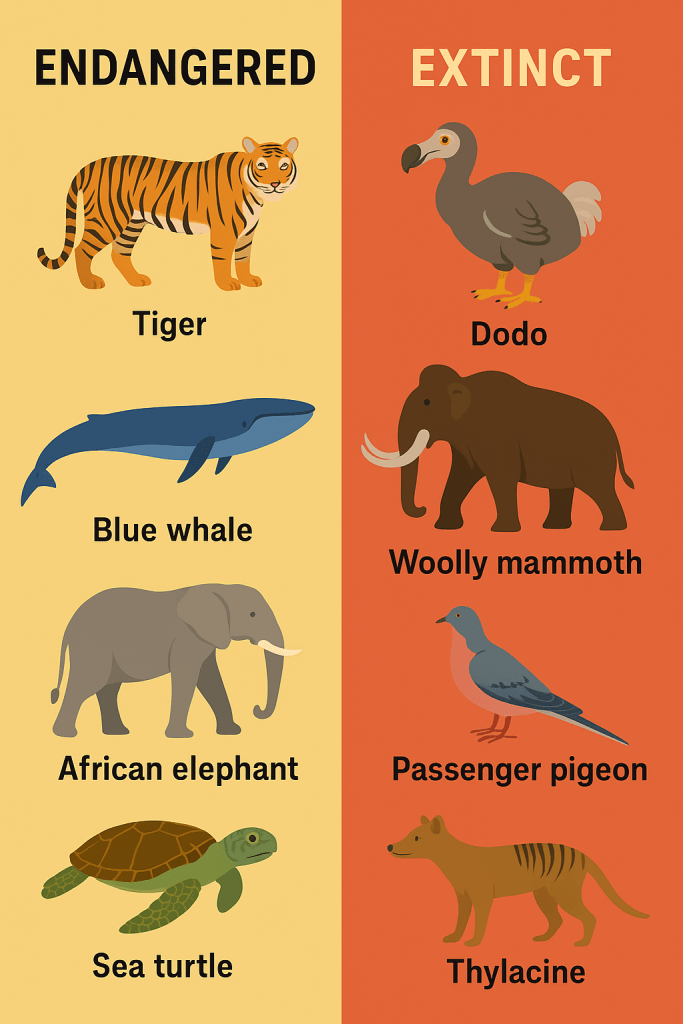
The main benefits of the technology are that the conservation of endangered species and the de-extinction of species could now become routine.
De-extinction provides many benefits, including the restoration of ecosystems to support the de-extinct species. These required ecosystems could help support biodiversity.
Risks associated with the technology include the risk of reintroducing once extinct species into the environment which could unbalance and disrupt existing species, leading to further extinction.
Since the technology creates hybrids that can pass down their genetic traits, any unforeseen genetic anomalies could cause unpredictable circumstances to unfold once the traits become more apparent.
The technology relies on surrogate mothers to bring the de-extincted species to full-term birth, so the question of animal suffering is brought to the forefront.
The process could also be unreliable, resulting in multiple miscarriages, failed embryos and experimentation.
Of course, those who have religious beliefs may argue that this technology risks human beings playing god and that it should be avoided at all costs.
Final Thoughts
The technology behind the de-extinction of species is certainly groundbreaking, and if used carefully, could help the preservation of endangered species.
However, much like the potential threats faced with the increasing capabilities of AI, the benefits of species de-extinction need to be carefully weighed up with the risks.
While there may be benefits to ecological systems to reintroduce once extinct species, the long term effects of species passing down harmful genetic traits and the impact on modern species could be devastating.
The allure of seeing a woolly mammoth walk the tundra is undeniable. Yet the true measure of success will be how humanity uses these powerful tools without endangering existing species, including ourselves, further down the line.
Fingers crossed.
Read about the full ‘Genetic Agenda’ in an exciting Sci-Fi – Illustrated Screenplay Format Book – Limited edition copies available on Amazon. Virtual Heaven (Back to Reality) – by Graham Jules.
Pop Up World – Merchandise – Click here.

***Disclaimer: This article is not financial advice and is given for informational purposes only. Readers should conduct their own research and not invest more than they can afford to lose. Crypto is extremely volatile, and as such can drop in value considerably without notice. You should always seek legal advice to understand if the use or investment in crypto is allowed in your jurisdiction.
Pop Up World token has a growing ecosystem.
Pop Up World YouTube Reviews:
Review. Malik Atif – Hindi -Urdu
Review. Inside Crypto – Hindi – Urdu
Review. Convincing Crypto – English
The Pop Up World Token is designed specifically for entrepreneurs, to store value and to utilise on our platform Pop Up World. Join the revolution in financial freedom today.
Get the token on Cardano Decentralised Exchanges (DeXs), MuesliSwap, SundeSwap, Wingriders and Minswap. Or click the link here:
Pop Up World token has a growing ecosystem
Earn and help support the Pop Up World Blog and entrepreneurs worldwide by joining our Pop Up World Stakepool! Go to https://popupworld.co.uk/popupworldstaking
Thanks!
Want to learn how to stake on Cardano? Read this article:
It starts with an idea. Pop Up World is a platform that helps start-ups and small businesses reach for the stars. No matter what size you are. Use our start-up guide Business Zero to Superhero, Design your Logo. Connect with investors via our Investor Connector. You can start a Website and Domain name. You can Search for and promote your Premises. You can promote your idea for free on our Pop Up World Ads site, you can even form a Limited Company You can also join us on our journey via the Pop Up World Token (PUW).
 Pop Up World Blog
2 thoughts on “Bring Back Extinct Animals – The Promise And Perils Of Gene Editing”