
Patents are an important tool for entrepreneurs looking to gain a competitive edge in the marketplace. Securing a patent gives entrepreneurs legal protection for their inventions.
A patent will give start-ups a legal monopoly in the marketplace for their patented product.
This article explores, what is the definition of a patent, a brief history and the various types of patents available. Here goes…
What is a Patent?
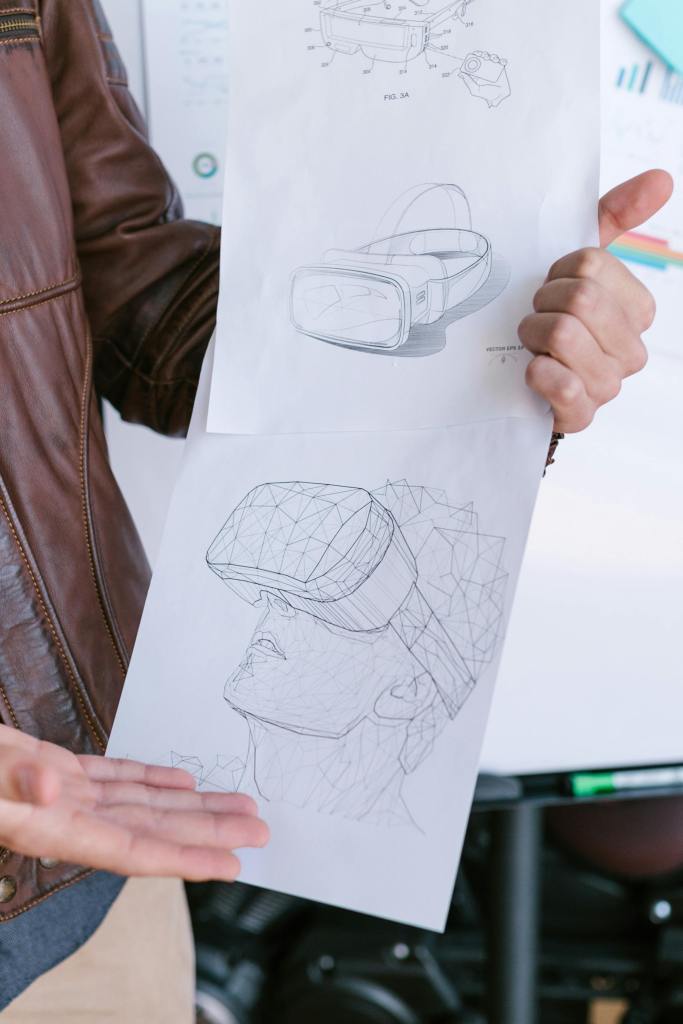
A patent is a legal right given to an inventor by an official government body or regional authority.
A patent gives the inventor exclusive control over the use, production and sale of their invention over a specific period of time.
In effect, it means that if you hold a patent it protects others from utilising your invention from being copied, used or sold by others without your permission.
Since patents are a form of intellectual property it allows you to licence patent rights to others to allow them to manufacture or use your inventions in exchange for money and royalties.
In order to be patentable, your invention needs to be:
Novel: This means your invention should be new and not disclosed elsewhere.
Inventive: It must involve an inventive step that is not obvious to others in the field.
Industrial application: The invention must be utilised in some form of industry.
Patents usually last for twenty years from the filing date. After this period, they will expire and enter into the public domain. After this period, anyone can capitalise on the invention without permission or a licensing arrangement.
Brief History of Patents
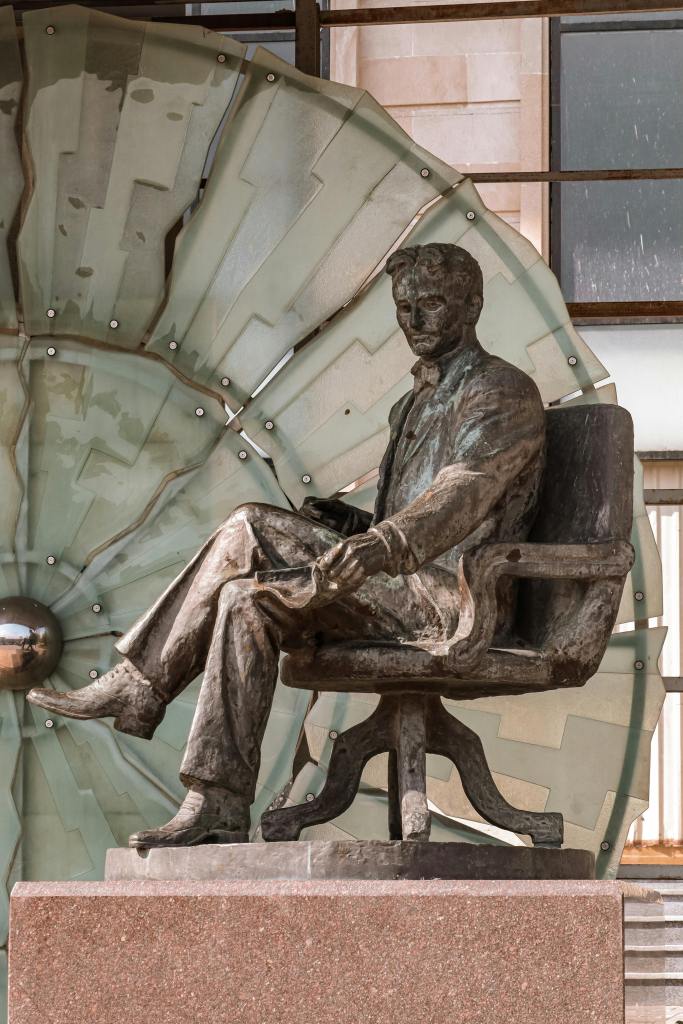
There is some evidence of patent rights as early as ancient Greece 500 BCE.
In England, patents were granted in the form of ‘letters patent’ by the sovereign to inventors, who had to petition for approval. The first of which was granted in 1331 to John Kempe.
Modern patent systems began to emerge in the late Middle Ages. The earliest recorded patent was awarded by the state of Venice in 1416 for a device for turning wool into felt.
England followed suit in the 17th century with the Statute of Monopolies (1623) which is regarded as the first legal expression of modern patent law.
The rise of the Industrial Revolution saw countries around the world adopt patent systems to encourage innovation.
The Paris Convention of 1883 marked a milestone by creating an international framework that allowed inventors to apply for patent protection in multiple countries.
Types of Patents
There are three types of patents that have different criteria to protect your inventions.
Utility Patents: A utility patent covers machines, processes, manufacturers that are new and useful (Manufactured goods) and compositions of matter (for example chemical compounds). A utility patent can also be acquired for improvements to existing machines, processes, manufacturers that are new and useful and improvements to compositions of matter.
Design Patents: A design patent protects a unique design aspect of the product rather that its functional aspects. For example the unique shape of a soda bottle or innovative design of a new smartphone.
Plant Patents: Plant patents are granted for new varieties of organic plants. The plant must be created asexually (without seeds, with cutting or grafting).
International Patent Systems

Patents are territorial and should be applied for in each country or region where protection is required. This can be an overbearing and complicated process, therefore several international agreements have sprung up over the years to simplify the process.
1. Patent Cooperation Treaty (PCT)
The PCT is a global system administered by the World Intellectual Property Organisation (WIPO) that allows inventors to file a single patent application that is recognised in over 150 countries. An application can be filed by anyone who is a national or resident of a contracting state.
The PCT simplifies the process of seeking patent protection across multiple jurisdictions, deferring the high costs of filing separate national applications in each country.
However, the PCT does not result in a “worldwide patent”—applicants must eventually file patents in specific countries where they want protection.
2. European Patent Convention (EPC)
The EPC is a regional system that provides a way for inventors to obtain patent protection in 39 European countries through a single application submitted to the European Patent Office (EPO).
Once granted, a European patent must be validated in each member state where protection is desired. However, the validation process involves translating the patent into the official language of the country, which can be expensive.
3. Unitary Patent and Unified Patent Court (UPC)
The Unitary Patent is a mechanism that took place in September 2024 that will allow inventors to obtain a single patent that is automatically valid in most EU countries.
This system simplifies the administrative burden and lowers the cost of protection across Europe. The Unified Patent Court (UPC) will handle disputes and provide a centralised judicial system, reducing the need to engage in legal battles in multiple countries.
Patent Expiry and Its Implications

Patents generally expire after twenty years from the filing date. Once the patent expires it becomes part of the public domain which means anyone can utilise the invention freely.
The expiration of patents balances the inventor’s rights with those of the public interest which has an obvious interest in accessing innovative technologies.
Patent expiry is important because it offers up the opportunity of generic versions of products to enter the market often at much reduced costs. In pharmaceuticals for example the expiry of a drug means generic manufacturers can supply cheaper versions, increasing accessibility and reducing medical bills.
Benefits of Patents for Entrepreneurs

If a start-up founder can obtain a patent it can be extremely beneficial to your venture. There are numerous benefits including:
- Monopoly on Innovation: Patents provide exclusive rights to the inventor, allowing them to control the commercialisation of their invention. This monopoly can give the entrepreneur a competitive edge by preventing competitors from copying or profiting from their ideas.
- Increased Market Value: A patent can significantly increase the value of a business, especially in technology-driven industries. Startups with patented technology are often more attractive to investors because the patent offers protection against competition, reducing business risk.
- Licensing and Revenue: Entrepreneurs can generate revenue by licensing their patented technology to other companies. This creates a new income stream without having to invest in production or commercialisation themselves.
- Leverage in Negotiations: A patent portfolio strengthens an entrepreneur’s position in negotiations with investors, partners, or potential buyers. Patents can be used as bargaining chips in mergers and acquisitions or collaborations.
- Defensive Shield: Patents protect entrepreneurs from being sued by competitors for patent infringement. Having a solid patent portfolio can act as a defensive shield in legal disputes, especially in industries with heavy competition and frequent litigation.
- Attracting Investors and Partners: Investors are often more willing to fund start-ups that have strong intellectual property (IP) protections, as patents reduce the risk of market saturation and offer a clear pathway to monetisation.
Final thoughts
Patents offer entrepreneurs the opportunity to not only secure exclusive rights over their inventions but also gives rise to growth creation, investment and additional revenue streams through licensing.
The process of obtaining patents has become more streamlined over the years with systems such as the PCT, EPC and Unitary patents making it much easier for entrepreneurs to file patents internationally.
Although patents eventually expire, the relatively brief window of opportunity of usually twenty years, can be a critical revenue generator for entrepreneurial founders.
Good luck!
Disclaimer: This is article is not legal advice. You should always consult a regulated professional in your jurisdiction for advice on your individual circumstances.
Pop Up World YouTube Reviews:
Review. Malik Atif – Hindi -Urdu
Review. Inside Crypto – Hindi – Urdu
Review. Convincing Crypto – English
The Pop Up World Token is designed specifically for entrepreneurs, to store value and to utilise on our platform Pop Up World. Join the revolution in financial freedom today.
***Disclaimer: This article is not financial advice and is given for informational and entertainment purposes only. Readers should conduct their own research and not invest more than they can afford to lose. Crypto is extremely volatile, and as such can drop in value considerably without notice. Pop Up World has a global presence and is not specifically targeting any jurisdiction with its content. Any crypto references are not intended for UK businesses or consumers. You should always seek legal advice to understand if the use or investment in crypto is allowed in your jurisdiction.
Get the token on Cardano Decentralised Exchanges (DeXs), MuesliSwap, SundeSwap, Wingriders and Minswap. Or click the link here:
Pop Up World token has a growing ecosystem
Earn and help support the Pop Up World Blog and entrepreneurs worldwide by joining our Pop Up World Stakepool! Go to https://popupworld.co.uk/popupworldstaking
Thanks!
Want to learn how to stake on Cardano? Read this article:
It starts with an idea. Pop Up World is a platform that helps start-ups and small businesses reach for the stars. No matter what size you are. Use our start-up guide Business Zero to Superhero, Design your Logo. Connect with investors via our Investor Connector. You can start a Website and Domain name. You can Search for and promote your Premises. You can promote your idea for free on our Pop Up World Ads site, you can even form a Limited Company You can also join us on our journey via the Pop Up World Token (PUW).


2 thoughts on “What are Patents? – A Guide for Entrepreneurs”